Private Label Baby Gates: MOQ, Samples and Lead Times
Launching a private label baby gate starts with four decisions: which product platform fits your range, how much you will order, what needs to change, and when you need the goods ready. Agreeing these points before sample approval makes the quotation more useful and the production schedule easier to plan.
For selected Jinlang platforms, the listed minimum order quantity is 500 sets per style for BG-07 and BG-10, and 300 sets per configuration for WL-01-06. Standard production is typically around 25 days. Sampling, new tooling and additional testing have their own schedules, so the production figure should not be used as the total time from first inquiry to delivery.
This guide explains how brand owners, importers and retail buyers can prepare a private label project with a clear specification and fewer rounds of clarification.
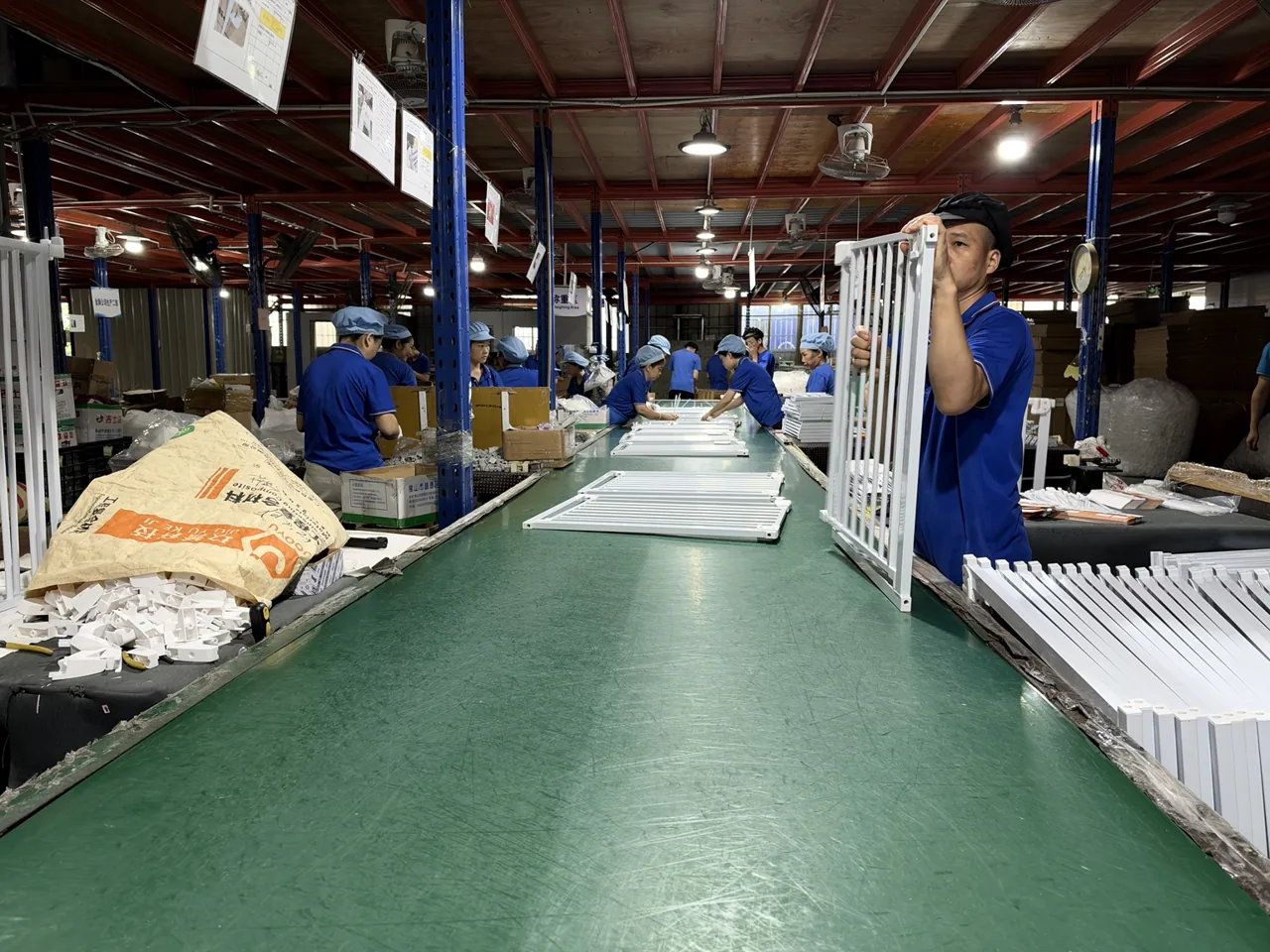
1. Choose the development route before comparing quotations
A logo change and a new locking mechanism are different development projects. Identify your route before asking factories to quote against the same brief.
| Development route | Typical scope | What to clarify first |
|---|---|---|
| Private label on an existing platform | Branding, instructions and packaging for a selected gate | Model, finish, branding positions and pack contents |
| Configuration changes | Selected dimensions, accessories, finishes or components | Engineering feasibility, order quantities and verification needs |
| New product development | A new structure, mechanism or product concept | Development stages, tooling, sample reviews and testing plan |
An existing platform can be a practical starting point when the main objective is to launch a branded range. If the brief requires a different opening action or geometry, allow time to review engineering and samples before setting the launch date. See Jinlang’s OEM and ODM development routes for an overview of the available project paths.
2. Understand what the MOQ applies to
MOQ is meaningful only when its unit and configuration are clear. A total order quantity does not automatically establish the minimum for every model, color or packaging version within that order.
The following examples are the listed commercial starting points for three Jinlang platforms:
| Product platform | Listed MOQ | Typical standard production lead time |
|---|---|---|
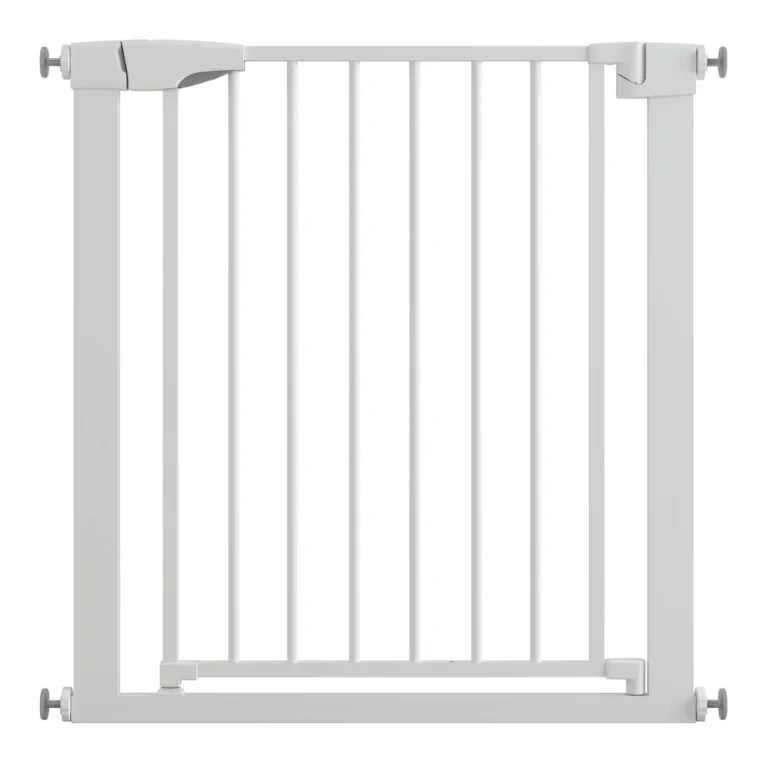
| BG-07 hardware-mounted gate | 500 sets per style | Around 25 days |
| BG-10 retractable mesh gate | 500 sets per style | Around 25 days |
| WL-01-06 modular safety fence | 300 sets per configuration | Around 25 days |
For WL-01-06, specify whether you need a 3-, 5-, 6- or 8-panel set. For BG-10, identify the required width. Then provide a quantity breakdown for each requested size, color and pack version. Jinlang will confirm how the MOQ applies to that order and whether the requested customization changes the commercial proposal.
This is especially useful when planning several retail SKUs: ask for an order breakdown rather than assuming different variants can be freely combined to meet one minimum.
3. Give the sample a clear approval purpose
A sample review should answer specific questions. Are you selecting a platform, checking installation and opening action, approving a custom component, or signing off the final branded pack?
Agree what each sample represents before it is prepared. A standard sample used to assess a gate’s operation may not include the final color, printed box or instruction manual. If those details are still being developed, record them as separate approval items.
Your sample review checklist should cover:
- The selected model, dimensions and accessory combination.
- Installation hardware, mounting requirements and instructions.
- Locking and opening action on the actual sample.
- Materials, finish, color and logo placement.
- Pack contents, protective packaging, labels and artwork.
- Test documents and any project-specific testing requirements.
Request the sample cost, shipping cost, preparation schedule and any sample-fee arrangements in the project quotation. These details depend on the sample scope; they should be agreed rather than assumed.
4. Separate branding decisions from engineering changes
Packaging artwork and product geometry affect different parts of a project. Send a list of requested changes with reference images or drawings, and mark which items are essential for launch.
For branding, prepare your logo files, language requirements, label content and packaging direction. For product changes, specify the required dimensions, mounting arrangement, material or opening action. Jinlang reviews the selected platform and confirms which changes are feasible, whether tooling is needed, and what verification is included in the proposal.
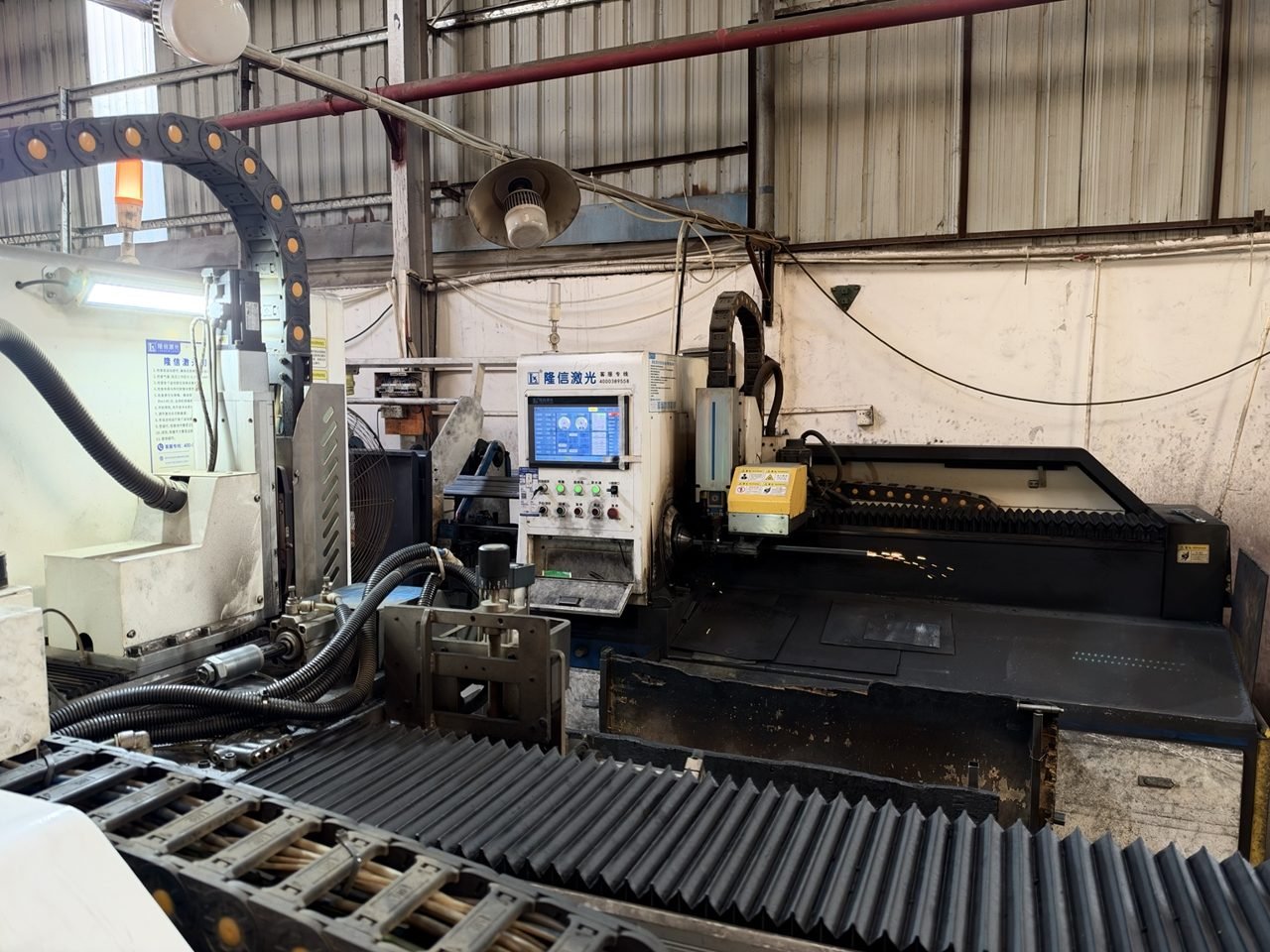
If new tooling is proposed, request a written description of the part, development milestones, payment arrangements, ownership and maintenance terms. This gives both teams a common reference before development spending begins.
5. Plan backward from the required delivery date
The typical 25-day figure for the products above relates to standard production. It is not a blanket promise covering development, buyer reviews, laboratory work, international freight or customs clearance.
Build the project schedule around the following steps:
- Brief and quotation: identify the platform, order breakdown and required changes.
- Samples and approvals: review the product, artwork and packaging; close outstanding decisions.
- Development and testing where required: agree the work, timing and responsibilities in the proposal.
- Production: use the start conditions and completion date confirmed for the order.
- Release and shipment: coordinate inspection, balance payment, shipment readiness and transport.
Ask the quotation to state what starts the production clock, including the required deposit and approvals. If your launch date is fixed, share it at the beginning so the team can assess the complete schedule.
For BG-07, BG-10 and WL-01-06, the listed payment terms are 30% deposit and 70% before shipment, with FOB Shenzhen, China as the trade term. Have the quotation identify the agreed delivery point, included services and shipment arrangements.
6. Include packaging and test documents in the initial brief
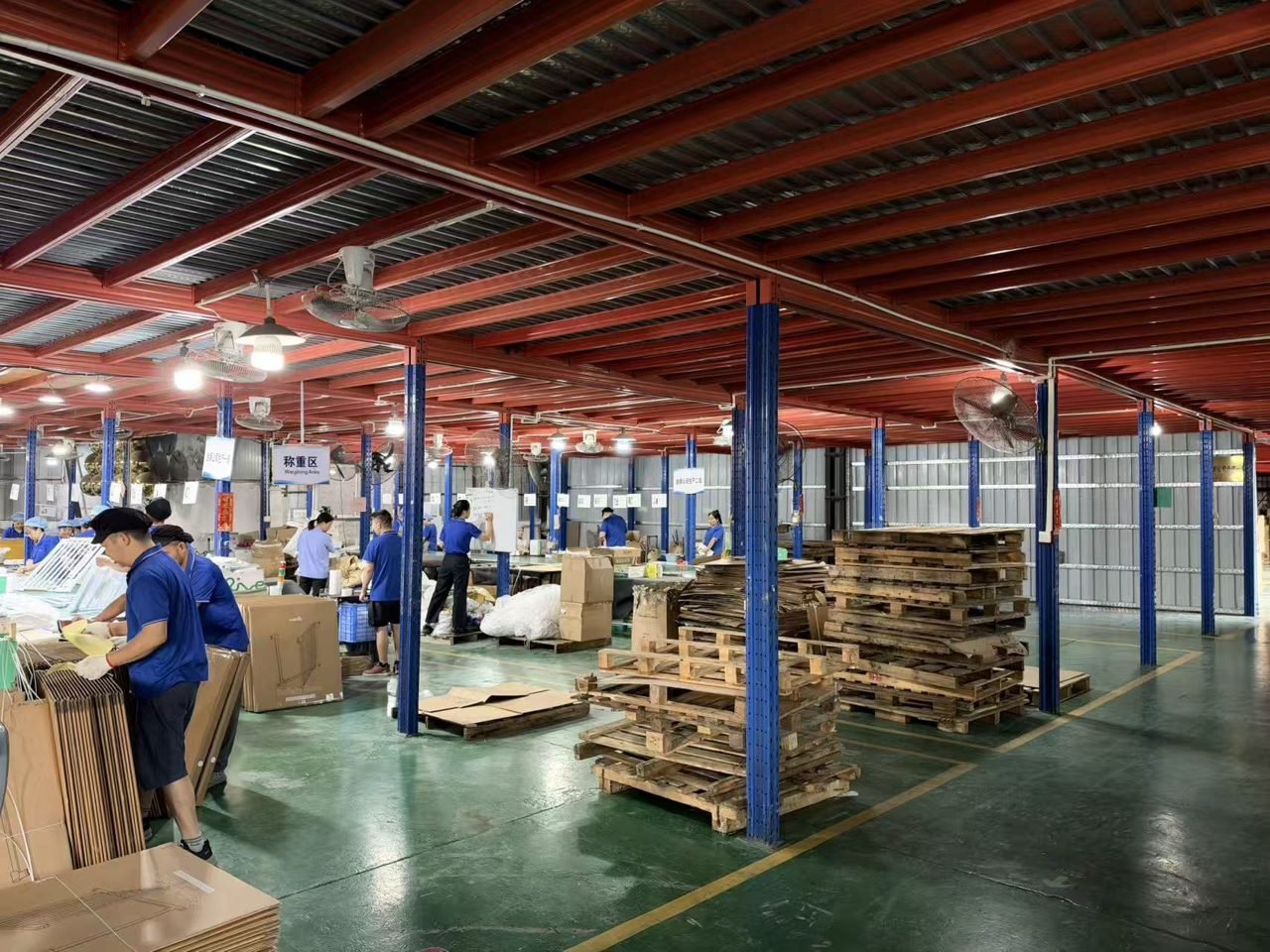
Tell Jinlang whether the product will be sold through retail stores, online channels or both. Share the required box design, instruction languages, barcode artwork, labels and any buyer packaging specifications. Review the packed sample and confirm carton dimensions and weights for the final configuration.
Testing support should also begin with the selected product and destination market. Jinlang provides relevant existing test documents and coordinates additional third-party testing for the product program. Send your required documents or buyer test protocol with the inquiry so the team can establish the documentation and testing plan for your chosen configuration.
Visit Quality and Compliance to review the available documentation and contact the team about your project requirements.
7. Send a brief that supports a useful quotation
You do not need to have every detail finalized before contacting Jinlang. Start with the information below and identify any points where you need a recommendation.
| Information to send | A useful level of detail |
|---|---|
| Destination market and sales channel | Countries, retail or online channel, intended buyer requirements |
| Preferred product | Model or reference image, installation type and required dimensions |
| Initial order | Quantity broken down by model, size, color and packaging version |
| Customization | Logo, finish, accessories, packaging or structural changes |
| Samples and documents | What you need to evaluate and which documents you require |
| Timing | Required shipment readiness or delivery date and planned launch |
Discuss your private label baby gate project
Share your target market, preferred model and estimated quantity. Jinlang will review your requirements and prepare a relevant product, sampling and production proposal.
Request a project quotation or email sales@jinlangbabygate.com.
One Comment
Comments are closed.