

ANSWER FIRST
Select the Evidence Before You Select the Supplier.
A credible baby gate manufacturer should be evaluated through evidence that connects the legal company, the assessed facility, the proposed product configuration and the requirements of the destination market. Product photographs and broad compliance claims are not enough. Buyers should verify who will make the gate, how the design moves into controlled production, what the report actually covers and how packaging, traceability and changes will be managed after approval.
01 · PROGRAM DEFINITION
Start With the Gate Program the Buyer Will Actually Sell.
A useful comparison begins with a shared product definition. Otherwise, suppliers may quote gates that look similar but differ in intended use, installation, testing scope, pack-out and risk.
Destination country, importer or responsible economic operator, online brand, specialty retail, mass retail or distributor program.
Child, pet or mixed-use positioning; pressure or hardware mounting; opening width, gate height, surfaces and passage frequency.
Expected order range, repeat-order plan, packaging format, labels, market-language instructions and logistics requirements.
02 · SUPPLIER IDENTITY
Confirm Who Owns or Controls the Facility.
Compare the English and Chinese legal company name, registered and operating addresses, quotation, contract, bank beneficiary and assessment report. Determine whether the business is a manufacturer, trader or combined production-and-trading entity, and whether the assessed site is self-owned, leased or subcontracted.
- The same legal entity appears across commercial and technical records.
- Factory photographs and production records can be tied to the assessed location.
- Any subcontracted process is identified instead of being presented as in-house.

03 · MANUFACTURING ROUTE
Map the Route From Requirement to Final Pack-Out.
The route should be explained for the proposed gate, not only as a list of machines.
- 01Requirement review
Intended use, dimensions, market, channel and commercial constraints.
- 02Engineering & sample
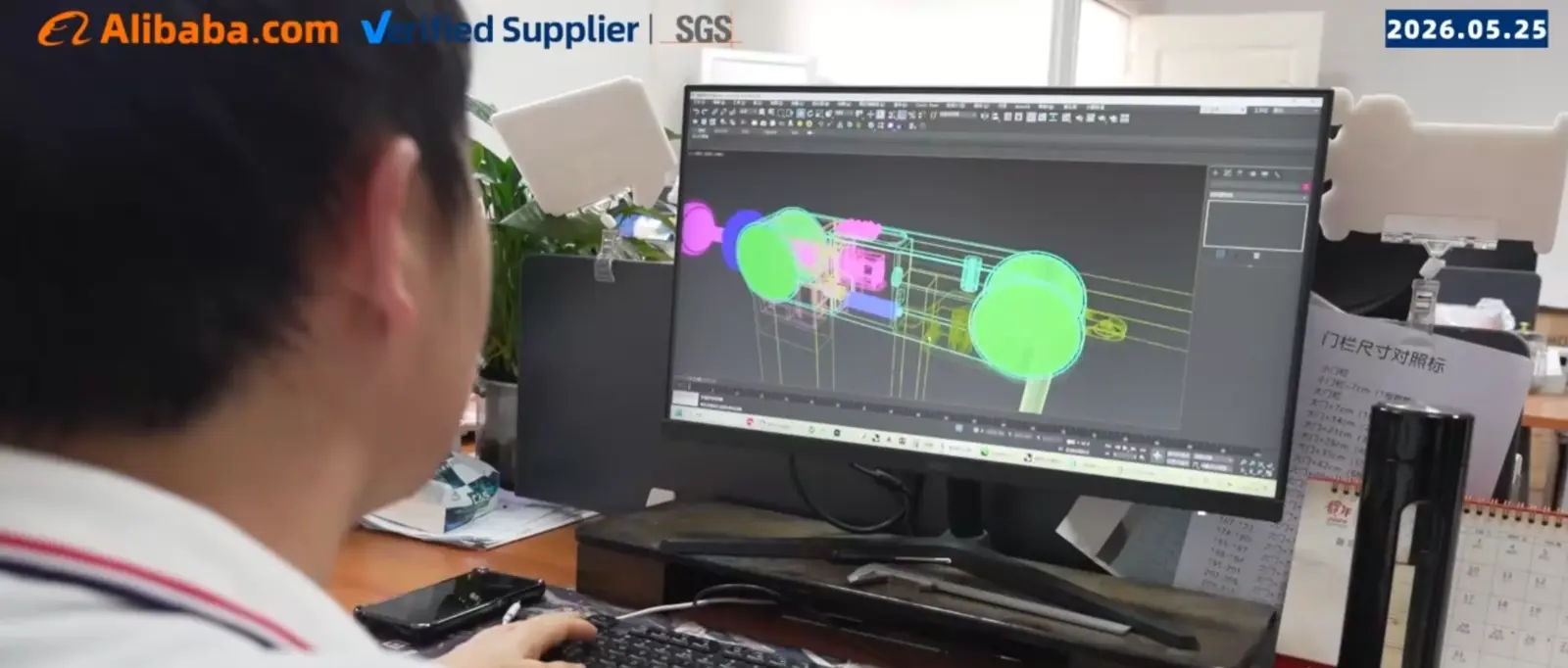
Drawing direction, feasibility, sample revisions and approval ownership.
- 03Components & frame
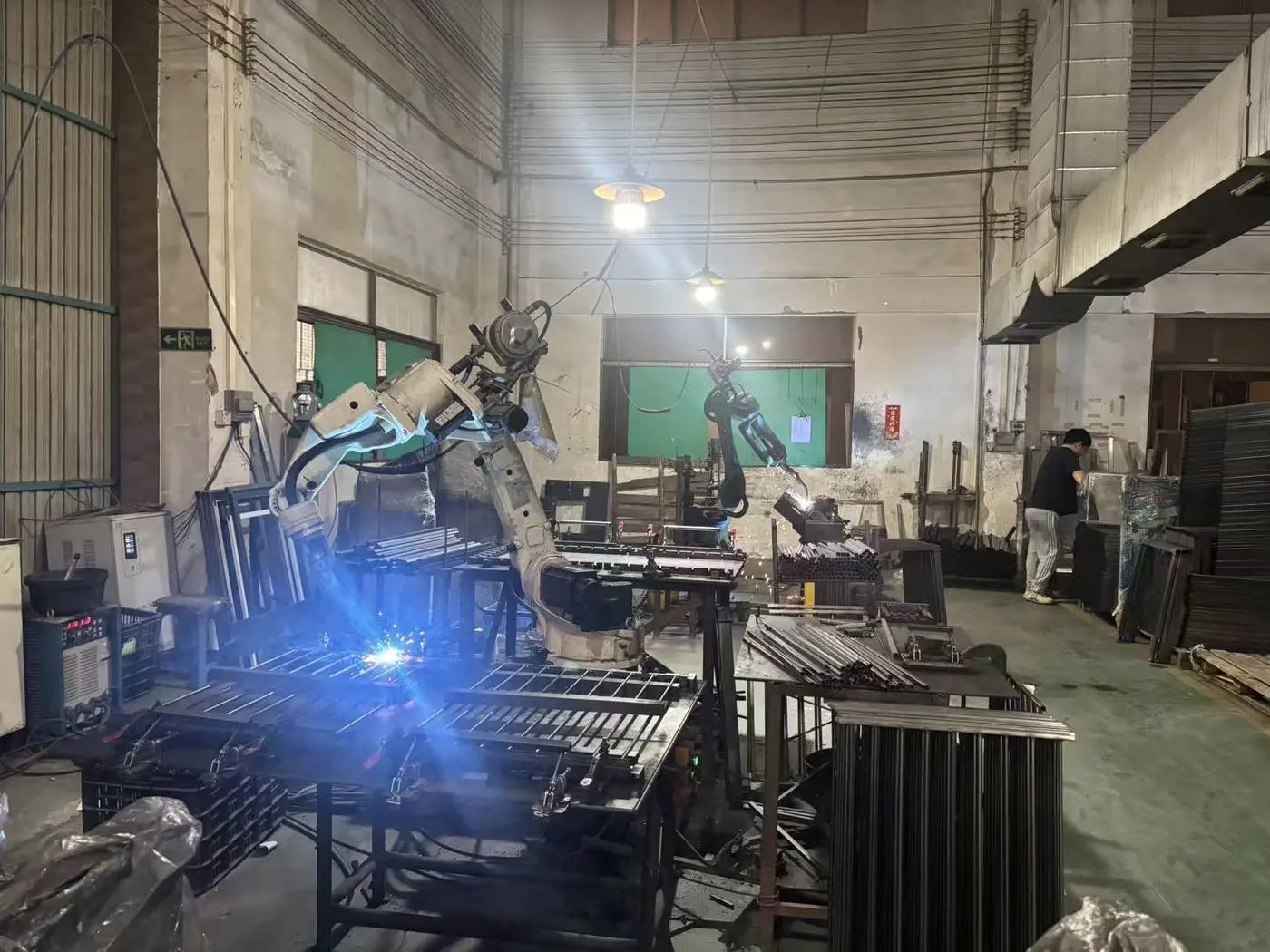
Metal preparation, welding, molded parts and applicable surface finishing.
- 04Assembly & release
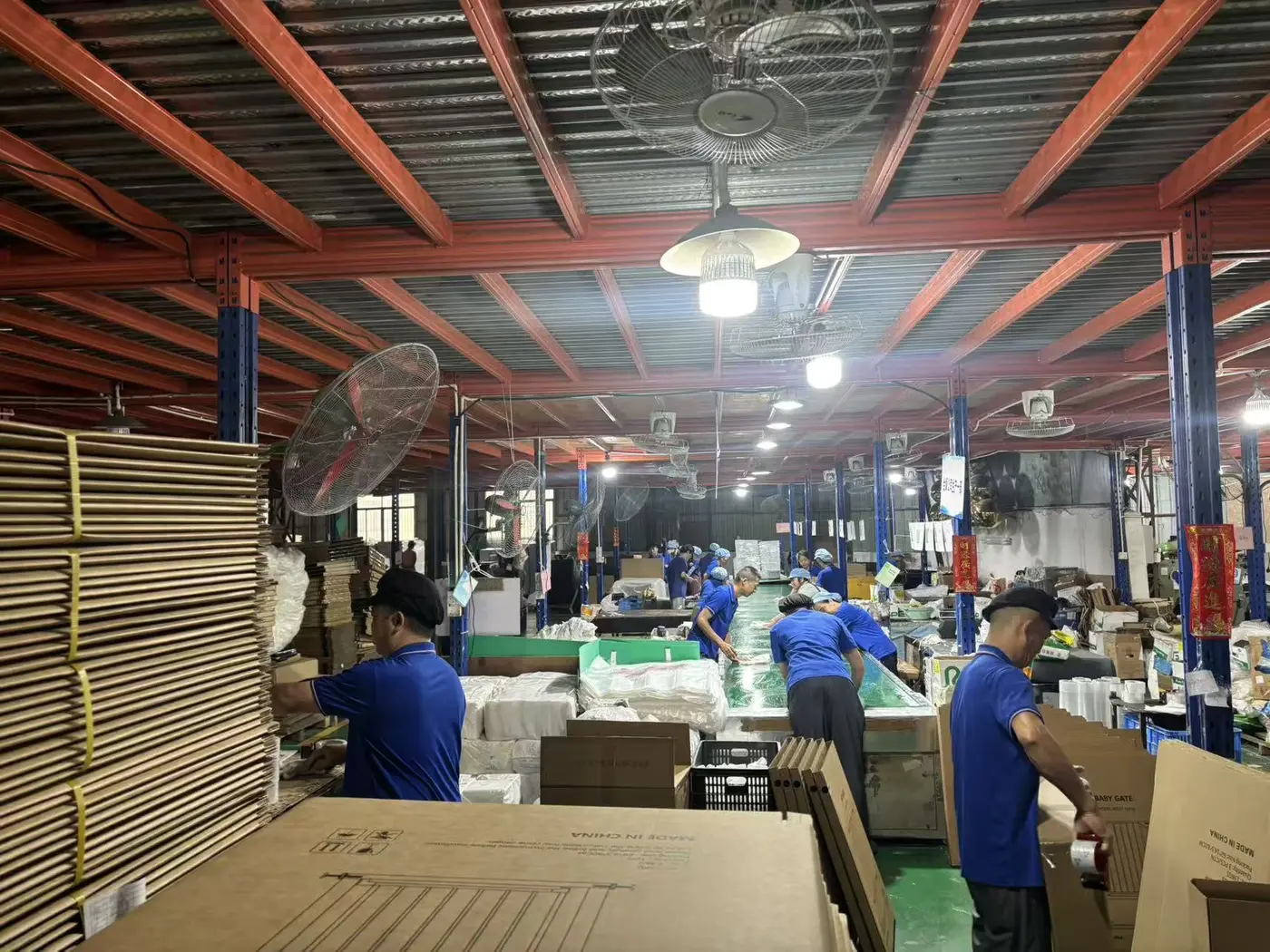
Functional checks, included parts, labels, instructions, pack-out and shipment release.
04 · EVIDENCE BOUNDARIES
Three Evidence Types Answer Three Different Questions.
| Evidence | What it can support | What it does not prove |
|---|---|---|
| Factory or supplier assessment | Facility identity, assessed equipment, workflow and selected management information. | Product compliance, capacity guarantee or endorsement. |
| Product test report | Results for the named sample and stated standard and scope. | Automatic coverage of every size, extension, component or related model. |
| System or social audit | The stated system or audit scope during its validity period. | Product performance or acceptance by every retailer. |
05 · MARKET-SPECIFIC REVIEW
Check Compliance at Configuration Level.
A report must be matched to the final model, dimensions, components, instructions, standard edition and destination market. Requirements change, so buyers should confirm the current applicable route with their importer or responsible economic operator and a qualified laboratory.
Current 16 CFR part 1239 incorporates ASTM F1004-25 for gates and enclosures manufactured after 19 July 2026. Review third-party testing requirements, the manufacturing date, exact sample coverage, tracking information, warnings, instructions, registration requirements and the Children’s Product Certificate responsibilities. A CPC is not a laboratory certification or a test standard.
CPSC Gates and Enclosures guidance →Assess the selected barrier against the applicable EN 1930 scope and the project’s current requirements. Also review product safety, traceability, instructions, economic-operator information and corrective-action responsibilities under Regulation (EU) 2023/988. A reference to EN 1930 alone does not prove complete EU market readiness.
Official EU GPSR text →06 · SHORTLIST CHECKLIST
Request These 10 Items Before Supplier Approval.
- 01Legal company and facility identity
- 02Current supplier or factory assessment
- 03Site-specific product and process photographs
- 04Proposed model and configuration sheet
- 05Relevant report sample, scope, edition and conclusion
- 06Laboratory acceptance or accreditation information
- 07Draft packaging, labels, warnings and instructions
- 08Project quality-control and change-control plan
- 09Sample timeline and production assumptions
- 10Commercial quotation with inclusions and exclusions
Red flags
- “All products are certified” without model-level evidence.
- CPC, CE, ASTM or EN described as interchangeable certificates.
- A factory audit presented as proof of product compliance.
- A report for another model or size used without coverage analysis.
- Exact MOQ, capacity or lead-time promises without project assumptions.
- Generic stock photographs presented as production evidence.
07 · BOUNDED EVIDENCE EXAMPLE
How Jinlang Presents Supplier-Capability Evidence.
Zhongshan Jinlang Daily Products Co., Ltd. is located in Xiaolan Town, Zhongshan, Guangdong, China. Public company facts describe a 10,000 m² manufacturing facility, more than 100 team members and a Head of Engineering with 20 years of baby gate industry experience.
Production Trading Assessment provider.
Named legal-entity assessment.
Current evidence date.
As recorded in the assessment.
The assessment lists two automatic laser cutting units, one leveling unit, 18 punching machines, four robot welding units, 12 welding workbenches, 10 injection molding machines and two assembly and packing lines. This supports assessed supplier capability only. It does not certify a product, guarantee capacity or lead time, or show that every Jinlang model meets every market requirement.
BUYER FAQ
Questions to Resolve Before You Approve a Manufacturer.
Request the legal company and facility identity, a current supplier assessment, product and process photographs tied to that site, the proposed model and configuration sheet, applicable model-specific test evidence, packaging and labeling drafts, and the project quality-control and change-control plan.
No. A factory assessment can support claims about the assessed supplier, facility, equipment and processes. Product compliance must be evaluated using evidence that identifies the tested sample, model, configuration, standard edition and report scope.
Not automatically. Buyers should compare the report sample with the final model, dimensions, extensions, latch, components, materials, instructions and intended market, then obtain a documented coverage decision from the responsible technical parties.
Check traceability, warnings, instructions, packaging contents, barcodes, transport protection, complaint feedback, replacement-part handling, change notification and repeat-order consistency for the final retail program.
Separate simple branding or packaging changes from configuration engineering and new-product development. Compare who owns drawings and tooling, how revisions are approved, how samples are verified and how the final design is introduced into controlled production.
Compare the legal name and address across the assessment, quotation, contract, bank beneficiary and website. Review whether the assessment describes the facility relationship as self-owned, leased or subcontracted, and confirm that site photographs and production records refer to the same location.